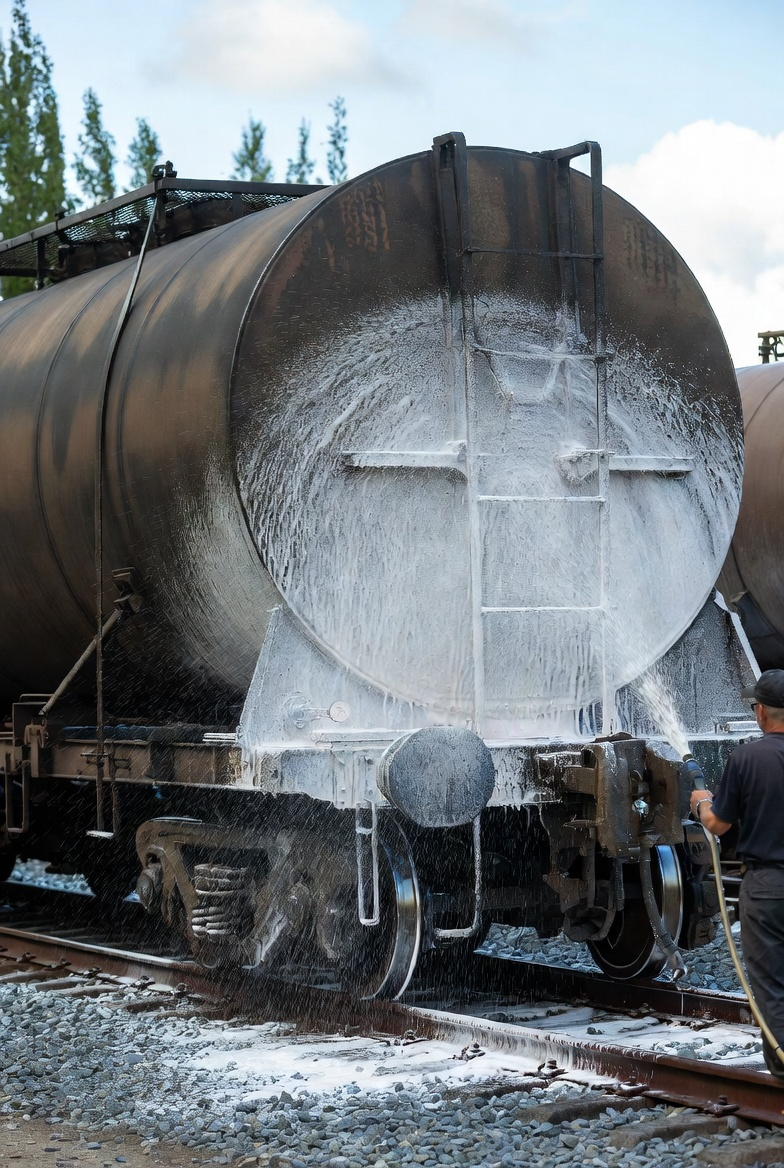
Sludge, sediment, and hydrocarbon residue can build up inside storage tanks over time, reducing efficiency and increasing maintenance costs. Storage tanks used for oil, fuel, or water can develop contamination, equipment damage, and safety concerns when routine cleaning is neglected. Storage tank cleaning plays a vital role in maintaining system performance, protecting assets, and supporting environmental compliance.
Modern cleaning methods have evolved significantly, making it possible to remove stubborn residues with safer, eco-friendly solutions instead of relying on harsh chemicals. By choosing the right approach, businesses can reduce downtime, improve operational efficiency, and extend the service life of their storage systems.
Why Regular Storage Tank Cleaning Matters
Every storage tank gradually accumulates deposits that affect both performance and safety. Oil sludge, fuel contaminants, rust, sediment, and heavy hydrocarbons can settle over time, restricting capacity and creating maintenance challenges.
Ignoring these issues may result in:
- Reduced storage capacity and operational efficiency
- Increased corrosion and equipment wear
- Higher maintenance and disposal costs
- Product contamination and quality issues
- Greater environmental and workplace safety risks
Choosing the Right Storage Tank Cleaning Method
Not every cleaning process delivers the same results. Traditional techniques often rely on aggressive solvents, extensive manual labour, or waste-intensive disposal methods that increase costs and environmental impact. Today, many facilities are adopting water-based technologies that safely break down hydrocarbon contamination while reducing hazardous waste. These solutions minimise exposure to harsh chemicals, improve worker safety, and simplify the overall cleaning process.
Companies like Evergreen have introduced environmentally responsible surfactant technologies that emulsify hydrocarbons and support natural biodegradation instead of creating additional waste streams.
Storage Tank Cleaning for Different Tank Types
Different storage systems require customized cleaning strategies depending on the material being stored and the type of contamination present.
Oil Tank Cleaning Protects Equipment and Product Quality
Oil tank cleaning focuses on removing sludge, wax, paraffin, asphalt, and heavy hydrocarbon deposits that settle over time. These materials can reduce storage capacity and interfere with pumping systems if left untreated.
A thorough cleaning process restores efficiency while helping operators maintain consistent product quality and reduce costly shutdowns.
Fuel Tank Cleaning Improves Operational Reliability
Fuel tank cleaning removes water, microbial growth, sediment, and accumulated contaminants that can damage engines, pumps, and fuel delivery systems.
Routine maintenance helps:
- Improve fuel quality
- Reduce equipment failures
- Extend the lifespan of storage infrastructure
- Minimise unexpected downtime
Industrial Storage Tank Cleaning Supports Heavy-Duty Operations
Facilities handling petroleum products, chemicals, refinery byproducts, or industrial liquids require specialised industrial storage tank cleaning techniques capable of handling stubborn hydrocarbon residues.
Modern water-based surfactant technologies can rapidly liquefy heavy sludge, making removal faster while reducing confined-space risks and limiting hazardous waste generation.
Eco-Friendly Hydrocarbon Removal Makes a Difference
One of the biggest advances in industrial maintenance is the ability to remove hydrocarbons without depending on corrosive chemicals or added biological agents.
Innovative surfactant formulations work by:
- Encapsulating hydrocarbons into microscopic droplets
- Increasing bioavailability for naturally occurring microbes
- Supporting permanent biodegradation
- Reducing secondary waste
- Lowering disposal and hauling costs
Long-Term Benefits of Professional Tank Maintenance
Professional cleaning offers more than cleaner storage tanks. It contributes to stronger asset performance across the entire operation. Benefits include improved efficiency, reduced maintenance frequency, safer working conditions, lower environmental liability, and longer equipment life. These advantages often outweigh the cost of reactive repairs caused by neglected tanks.
With over 16 years of industry experience, Evergreen continues to provide innovative cleaning solutions that help businesses achieve reliable results while reducing operational costs.
Is Eco-Friendly Tank Cleaning Better Than Traditional Methods?
In many cases, yes. Traditional methods may involve harsh solvents, high-pH chemicals, or expensive waste disposal practices. Eco-friendly alternatives provide an effective way to remove hydrocarbon contamination while reducing environmental impact. Water-based technologies also improve worker safety because they are generally non-corrosive, biodegradable, and designed to minimise hazardous exposure. This makes them an increasingly practical choice for industries seeking efficient and sustainable maintenance solutions.
How Often Should Storage Tanks Be Cleaned?
Cleaning frequency depends on several factors, including the stored product, operating conditions, tank size, and regulatory requirements. Facilities should schedule inspections regularly and perform cleaning whenever excessive sludge, sediment, or contamination begins affecting performance. Preventive maintenance is generally more cost-effective than waiting for operational failures.
Working with experienced specialists allows businesses to develop cleaning schedules that match their operational needs while reducing unnecessary downtime. Evergreen supports industries with advanced solutions designed to simplify hydrocarbon remediation across a wide range of applications.
Invest in Professional Storage Tank Cleaning
Proper storage tank cleaning protects valuable equipment, improves operational efficiency, and reduces environmental risks. Modern cleaning technologies make it possible to remove even heavy hydrocarbon deposits safely while lowering long-term maintenance costs. By adopting proactive maintenance practices and environmentally responsible solutions, businesses can maximise storage performance and keep operations running smoothly for years to come. Regular inspections and timely cleaning also help extend the lifespan of storage systems while reducing the likelihood of costly repairs or unexpected downtime. Investing in advanced, eco-friendly cleaning methods supports long-term reliability, regulatory compliance, and more sustainable industrial operations.
Storage Tank Cleaning That Delivers Lasting Results
Ready to create a safer marine workplace? Contact Evergreen today for effective, environmentally responsible degreasing solutions.