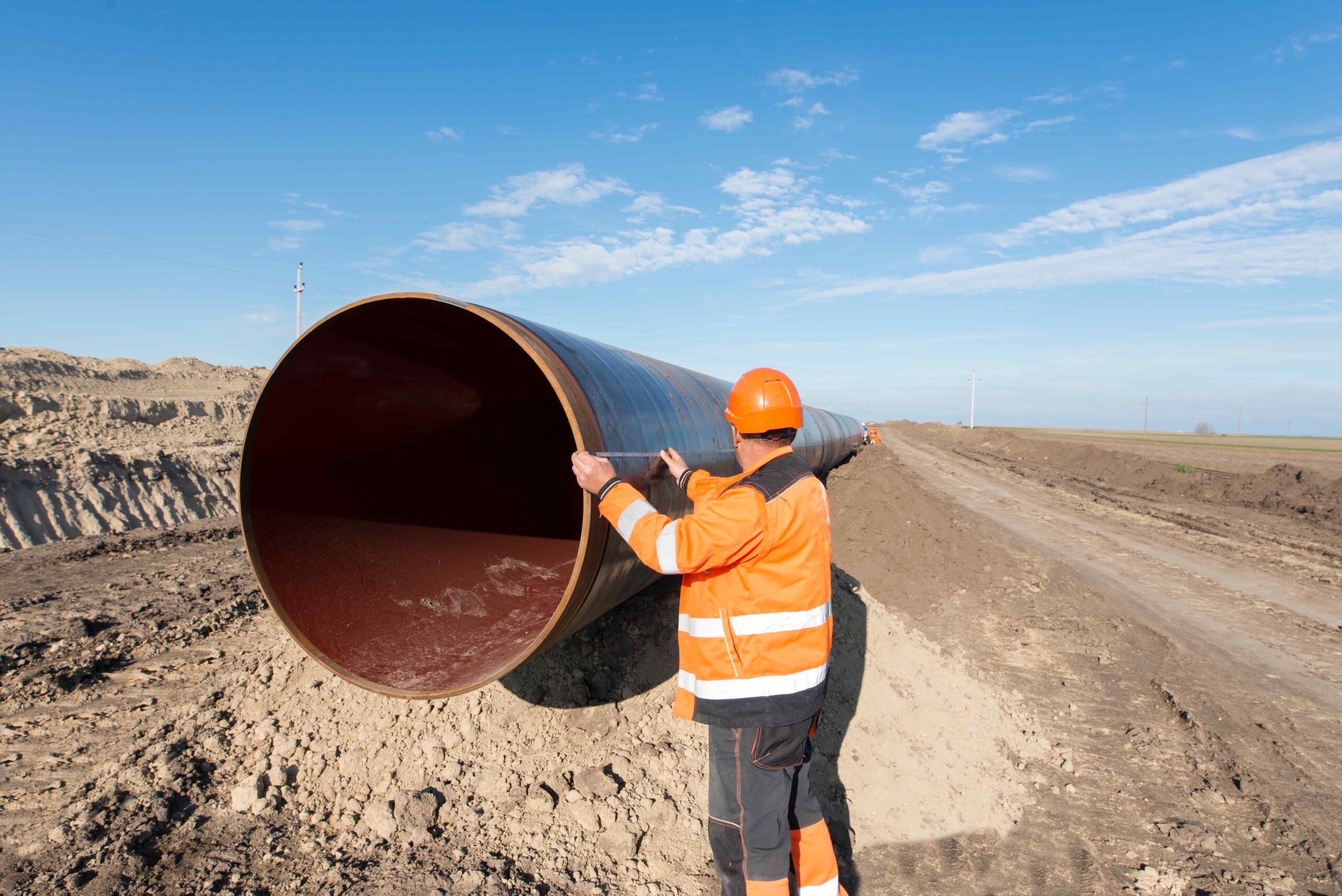
Industrial pipelines carry valuable fluids through systems where even a small amount of buildup can create major operating problems. Oil, grease, paraffin, tar, and petroleum sludge can collect along internal surfaces, gradually reducing usable flow capacity and making maintenance more demanding. Pipeline flushing removes these deposits through controlled circulation and chemical treatment, helping industrial facilities maintain cleaner lines and dependable system performance.
For refineries, oil and gas facilities, storage operations, and other industrial environments, regular line cleaning can also help limit production interruptions. The right treatment can loosen stubborn residues without relying on aggressive solvents or high pH caustics. Evergreen uses water-based surfactant chemistry designed to emulsify hydrocarbon deposits and support their removal from contaminated lines.
How Pipeline Buildup Affects Industrial Performance
Industrial pipeline buildup can affect flow capacity, product movement, maintenance schedules, and cleaning requirements. Oil, grease, paraffin, tar, and petroleum sludge may accumulate gradually, making restrictions difficult to detect until they begin affecting operations.
Persistent contamination can also increase the time and resources required for maintenance. Facilities may face additional pumping, waste handling, inspection, or shutdown requirements when deposits become difficult to remove. Addressing buildup at appropriate maintenance intervals can help prevent a manageable cleaning requirement from becoming a larger operational issue.
Pipeline Flushing Removes Difficult Deposits
Effective line cleaning is not simply a matter of putting chemicals into a pipeline. The chemistry, concentration, circulation pattern, contact time, and agitation method all influence how well deposits are released.
Surfactants Reduce Surface Tension
Water-based nonionic surfactants help reduce surface tension between the cleaning solution and hydrocarbon deposits. This allows the treatment to make better contact with oily films and residues attached to internal pipe surfaces.
Instead of relying on aggressive solvent action, surfactant chemistry works by helping separate hydrocarbons from the surface. This approach can be useful for facilities looking for an alternative to harsh chemical cleaning methods.
Emulsification Keeps Hydrocarbons Dispersed
Once hydrocarbons are loosened, emulsification helps break the material into small droplets that remain dispersed in the cleaning solution. This reduces the chance of loosened oil simply settling back onto the pipe surface during circulation.
The process is particularly useful when treating oily films, grease, crude residues, and other petroleum contamination.
Circulation Improves Contact With Deposits
Circulation keeps the treatment moving through the system, allowing the cleaning solution to contact contaminated areas throughout the line. Agitation and pumping can also help improve interaction with stubborn deposits.
Closed loop circulation may be suitable for some systems when pumps, seals, pipeline materials, and operating conditions support the planned treatment. Temperature can also influence results, particularly when dealing with viscous paraffin, asphalt, or thick sludge.
Heavy Sludge Requires a Different Approach
Light oil residue and heavy petroleum sludge do not respond identically to the same treatment. Thick deposits can be highly viscous and difficult to move, making deposit liquefaction an important part of heavy hydrocarbon removal.
Treatment may need to account for deposit thickness, temperature, circulation strength, and contact time to loosen and mobilize the material effectively. Once the sludge becomes easier to move, pumping and recovery can become more manageable, reducing the effort required to remove stubborn buildup from the pipeline.
Treatment Planning Determines Cleaning Results
A successful Pipeline flushing project begins with accurate information about the system. Pipeline length, diameter, construction material, previous contents, contaminant type, operating temperature, circulation capacity, and required cleanliness all influence product selection and application planning.
A practical assessment can then establish:
- Cleaning chemistry and concentration
- Circulation time and flow requirements
- Agitation or additional treatment needs
- Waste collection and handling procedures
- Post-cleaning inspection or verification
Pipeline Sludge Treatment Can Reduce Maintenance Challenges
Heavy sludge can be more difficult to remove than light oil films because of its viscosity and concentration. Pipeline sludge treatment focuses on loosening and mobilizing this material so it can move through the cleaning and recovery process more effectively.
For lines containing crude oil, diesel, grease, asphalt, tar, or paraffin, treatment conditions should reflect the characteristics of the deposit. Appropriate chemistry, circulation, agitation, and temperature can help make thick contamination easier to pump and collect. This can reduce the amount of manual removal required and support more manageable waste handling.
Chemical Cleaning Services Offer an Alternative to Harsh Methods
Traditional industrial cleaning can involve solvents, caustic chemicals, mechanical removal, or repeated flushing cycles. Each method can bring different handling, equipment, labor, and waste considerations. Modern chemical cleaning services can use surfactant-based formulations that work with water rather than depending on harsh solvent systems. Evergreen describes chemistry with a near-neutral pH of approximately 8.5 and formulations that are water-based, biodegradable, non-corrosive, and non-flammable. The choice of cleaning method should still reflect the specific pipeline, contaminant, equipment, and site requirements. Product compatibility and operating conditions should be evaluated before treatment begins.
Cleaner Pipelines Support More Reliable Industrial Operations
Pipeline cleanliness has a direct connection to maintenance planning and operational reliability. Accumulated hydrocarbons can restrict flow, contribute to contamination, and increase the difficulty of future maintenance. Removing deposits at an appropriate maintenance interval can help facilities address these issues before buildup becomes a larger operational concern. Pipeline flushing can also support more efficient handling of contaminated material. When sludge is liquefied, or hydrocarbons are emulsified, recovered material may become easier to pump, collect, treat, or dispose of depending on site procedures.
Choosing the Right Pipeline Cleaning Strategy
No two industrial cleaning projects have the same requirements. A pipeline carrying light diesel residue may need a different treatment from a line containing thick paraffin or heavy petroleum sludge. Before starting a cleaning project, facility teams should establish the contaminant profile, system specifications, circulation capabilities, safety requirements, and desired end condition. These details help determine the appropriate chemistry and application method.
H2\:b Pipeline Flushing for More Efficient Industrial Operations
Contact Evergreen to discuss pipeline flushing for your industrial system.