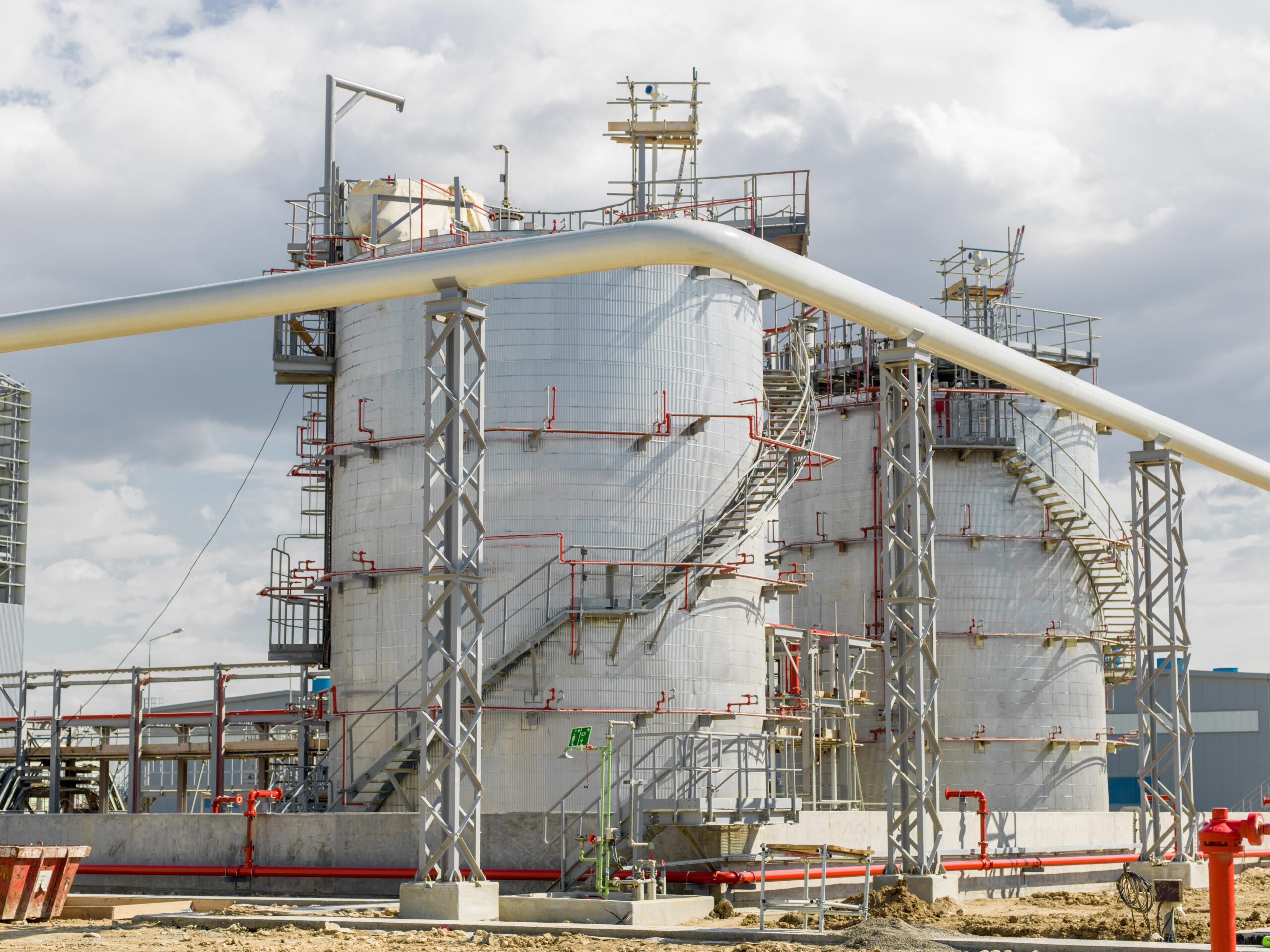
Tank sludge may look like ordinary residue, but material collecting at the bottom of an industrial tank can become surprisingly difficult to handle. Heavy hydrocarbons, sediment, waxes, paraffin, and tar can settle into dense deposits that resist pumping and ordinary washing. Effective tank sludge removal therefore requires more than draining a tank and rinsing what remains.
At Evergreen Chemicals, we focus on chemistry that changes the behavior of stubborn hydrocarbon buildup. Understanding why sludge becomes difficult to move helps facilities choose a method that limits manual handling and downtime.
Tank Sludge Removal Becomes Difficult as Deposits Change
Sludge develops as heavier components settle and concentrate at the bottom of a tank. Over time, the material can become viscous, compact, and uneven, rather than behaving like a pumpable liquid.
High Viscosity Restricts Movement
Pumps work best when material can flow toward the suction point. Thick sludge may stay in place even after the liquid above it is removed, leaving operators with deposits that must be mobilized before extraction.
Layered Deposits Behave Differently
Tank bottoms are rarely uniform. One area may contain soft oily residue while another contains dense solids, wax, or hardened hydrocarbons. A single cleaning method may not work equally well across every layer.
Temperature Changes Sludge Behavior
Some hydrocarbon deposits become more fluid when warm and much thicker when temperatures fall. Cooler conditions can increase pumping resistance and make circulation more difficult.
Long Storage Periods Increase Compaction
When residue remains undisturbed for extended periods, solids can settle more tightly. Agitation, circulation, chemical treatment, or a combination of methods may be needed before the deposit can move efficiently.
Tank Geometry Creates Difficult Areas
Internal supports, corners, low points, and broad floor areas can trap residue even after most liquid has been removed. These hard-to-reach zones may require targeted circulation, agitation, or additional treatment before you can extract the remaining sludge effectively.
Heavy Tank Sludge Cleaning Requires More Than Surface Washing
Heavy tank sludge cleaning differs from removing loose surface contamination. Water does not readily mix with petroleum residue, while mechanical cleaning can become labor-intensive when deposits are thick and compact. The cleaning method should start with the actual material in the tank. Crude residue, paraffin, asphalt, tar, and mixed sediment can respond differently to heat, agitation, circulation, and treatment chemistry. Assessment matters because the wrong process can waste labor and cleaning chemistry before the hardest deposits are addressed.
How Does Tank Sludge Liquefaction Improve Removal?
Tank sludge liquefaction changes thick hydrocarbon deposits into a more mobile form. When viscosity drops and compact buildup starts to break apart, the material can become easier to circulate, pump, recover, or prepare for disposal.
Evergreen offers Evergreen 20 for heavy sludge, asphalt, tar, and paraffin. The chemistry is water-based, nonhazardous, nonflammable, noncorrosive, and VOC-free. Product guidance also identifies a low treatment volume relative to the solids and describes liquefaction within hours for suitable heavy hydrocarbon applications. The principle is straightforward: tank sludge removal becomes more manageable when the deposit behaves more like a pumpable liquid than a dense mass.
Oil Tank Sludge Treatment Can Reduce Manual Handling
Effective oil tank sludge treatment can reduce the amount of hardened material that must be physically broken apart inside a tank. This matters because internal tank work can involve difficult access, restricted movement, and added safety controls.
A treatment and circulation strategy may help operations:
- Improve movement toward pumping points
- Limit direct manual breakup
- Support hydrocarbon recovery in suitable applications
- Reduce stubborn residue left for final cleaning
- Make extraction easier to control
Industrial Tank Cleaning Solutions Must Match the Contamination
Effective industrial tank cleaning solutions depend on the stored product, sludge composition, tank design, and maintenance objective. A method that works for light oily residue may perform poorly against compact paraffin, tar, or sediment-heavy deposits. Light contamination may respond to washing and circulation. Deposits with substantial solids can still require mechanical removal after mobile hydrocarbons are extracted. Matching the process to the material can reduce wasted chemistry, unnecessary labor, and extended shutdowns.
Tank Sludge Removal Supports Access and Storage Capacity
Sludge occupies usable tank volume and can interfere with drainage, inspection, maintenance, and product movement. Removing accumulated deposits restores access to the tank floor and internal surfaces, making later inspection and service work more practical.
Regular inspection can identify buildup before severe compaction develops. Addressing residue earlier may reduce the difficulty of future tank sludge removal and improve maintenance planning.
Factors Facilities Should Consider Before Cleaning a Sludge-Filled Tank
Before cleaning begins, operators should understand the residue, estimated sludge volume, access points, pumping capability, ventilation needs, and handling plan.
Important planning factors include:
- Sludge thickness and composition
- Tank size and internal configuration
- Available agitation or circulation equipment
- Pump limitations
- Recovery and disposal plans
- Site safety and confined space procedures
Choose a Smarter Approach to Tank Sludge Removal
Contact Evergreen today to discuss your tank sludge removal needs and find a treatment approach suited to your sludge conditions.